

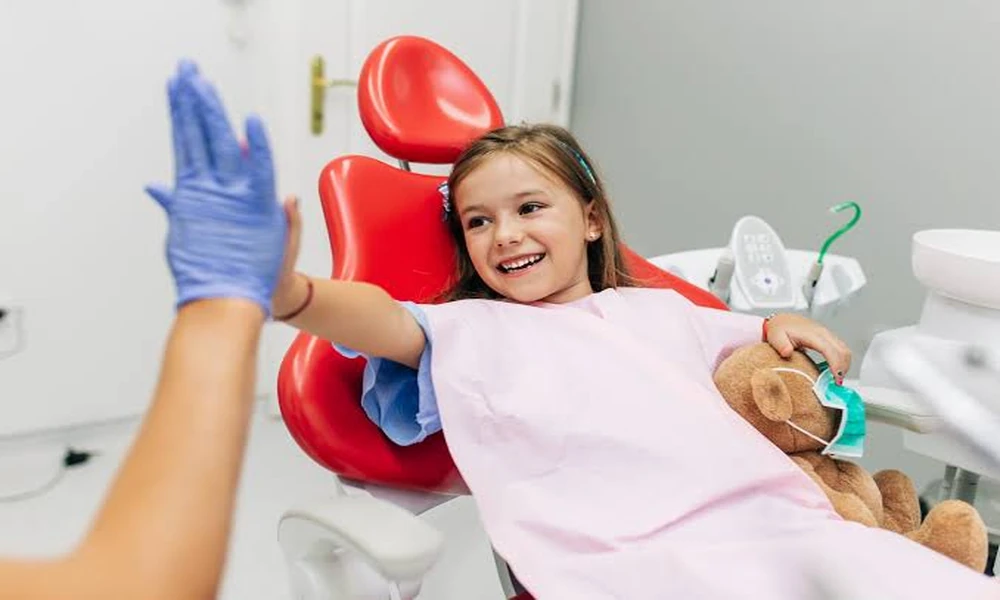
A child’s early trips to a dental clinic can shape how they feel for years. One gentle visit makes the next one easier. One rough visit can leave a fear that lasts into adulthood. Searching for a kids dentist bangkok that families can rely on takes a little homework. The city has hundreds of clinics, yet only some are set up for young patients. A short checklist can help you avoid a bad first visit.
How Child Specialists Differ From General Clinics
A general practitioner treats patients of all ages. A paediatric specialist trains for two or three extra years after dental school. That time covers child growth plus ways to calm nervous patients. They also learn to treat children with special needs.
Signs of a Clinic Built for Children
Small details show whether a clinic really welcomes young patients. Watch for these during your visit.
- A bright waiting room has books, toys, or a small screen.
- Chairs and instruments are sized to suit smaller mouths and bodies.
- Staff speak to the child first, not only the adult.
- The team explains every step before touching any tooth.
- The team uses low-radiation X-rays to check for hidden decay.
- Mums or dads may stay inside the treatment room.
- Written treatment plans list each cost in plain language.
- Small rewards like stickers end each appointment on a happy note.
What Happens During a Typical Check-up
The appointment usually starts with a chat about brushing habits. The doctor then counts teeth plus checks the gums. A quick cleaning removes plaque. Fluoride varnish is painted on to strengthen the enamel.
At What Age Should the First Visit Happen?
Most paediatric dental groups say the first visit should happen by the first birthday. Another common rule is within six months of the earliest tooth showing. Early visits are short. They are mostly about getting the child used to the room.
These early checks also help catch problems such as bottle tooth decay. The doctor can advise on teething, thumb sucking plus night feeds. After that, a check every six months works for most children. Children with weak enamel may need visits more often. Ask the clinic what schedule suits your child. Skipping these visits often leads to bigger fillings later.
Making the Day Less Stressful
Pick a morning slot when your child is fresh. Read a picture book about tooth doctors the previous night. Avoid words like pain or hurt.
Common Treatments for Young Patients Explained
Here are the procedures most clinics offer to children. Each one serves a different purpose.
| Treatment | What It Does | Usual Age |
| Fluoride varnish | Strengthens enamel against decay | From the earliest tooth |
| Fissure sealants | Seal grooves on back teeth | Around 6 and 12 years |
| Tooth coloured fillings | Repair small cavities | Any age |
| Space maintainers | Hold space after early tooth loss | 4 to 10 years |
| Early orthodontic check | Spots bite problems early | Around 7 years |
Doubts Families Often Raise About Visits
- How long does a normal visit take? Most routine checks finish within thirty to forty-five minutes.
- Are baby teeth worth treating if they fall out anyway? Yes. They hold space for adult teeth plus help with speech.
- What should a child eat ahead of the visit? A light meal is fine. Brushing first helps the check go quicker.
- Does fluoride varnish hurt? No. It is painted on in seconds without any needles.
- When do sealants make sense? Usually once the back adult molars appear, around six years old.
- What if my child cries? Crying is normal. Good teams stay patient and try again calmly.
Picking a Clinic Close to Home
Distance matters more than most families expect. A short trip keeps a young child calmer on arrival. Shortlist a kids dentist Bangkok that residents rate well near your area or school. Visit once without treatment so your child sees the room first.
Calm Appointments Build Healthy Habits
No dental team is perfect. What counts is a doctor who stays patient plus explains things simply. Turn up every six months, even when nothing seems wrong. Brushing at home twice daily does the rest. Over time, these routine appointments feel ordinary to your little one.
