

If a doctor has told you that you need “an interventional procedure” for your heart, or you have been referred from a general cardiologist to a cath-lab specialist, the first question is usually: what exactly is the difference, and do I really need one? This guide explains the role of an interventional cardiologist, how it differs from a general cardiologist and a cardiac surgeon, the procedures they perform, and what to check before you book an appointment.
Three heart specialists, three different jobs
Heart care in a large Indian city is shared between several kinds of doctors. Knowing who does what saves time and avoids unnecessary referrals.
| Specialist | Training | What they mainly do |
|---|---|---|
| General (clinical) cardiologist | MD + DM (Cardiology) | Diagnosis, ECG/echo, medicines, risk-factor control, long-term follow-up |
| Interventional cardiologist | MD + DM (Cardiology) + cath-lab fellowship or experience | Catheter-based procedures: angioplasty, stents, TAVI, device closures, pacemakers |
| Cardiac (cardiothoracic) surgeon | MS + MCh (CTVS) | Open or minimally invasive surgery: bypass, valve repair or replacement, congenital repair |
A general cardiologist is usually your first stop. An interventional cardiologist steps in when a problem can be treated through a thin tube (catheter) passed from the wrist or groin, without opening the chest. A cardiac surgeon is needed when the problem requires surgery. In practice, these three often work together as a “heart team” and decide jointly which route is safer for a given patient.
Procedures an interventional cardiologist performs
The list has grown a lot in the last decade. Common catheter-based procedures in Mumbai hospitals include:
- Coronary angiography and angioplasty with stenting for blocked heart arteries, including emergency angioplasty during a heart attack.
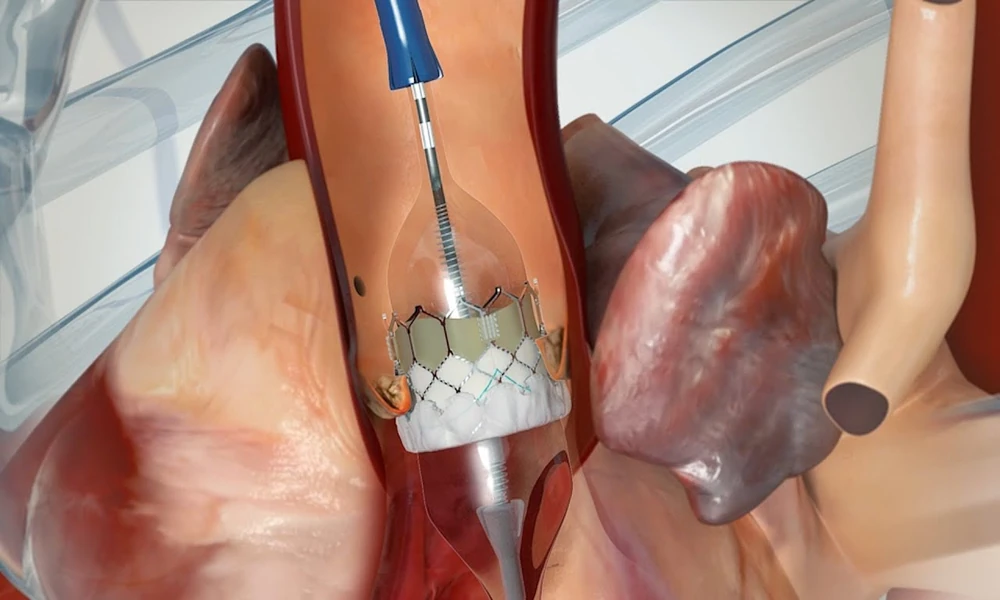
- Transcatheter aortic valve implantation (TAVI/TAVR) for severe aortic stenosis, where a new valve is placed inside the narrowed valve. You can read how it works on the TAVI page.
- Transcatheter edge-to-edge repair (TEER/MitraClip) for selected patients with a leaking mitral valve.
- Balloon mitral valvotomy for rheumatic mitral stenosis, still common in India.
- Device closure of holes in the heart – ASD, VSD, PDA and PFO – using an occluder device instead of open surgery. See the device closure overview.
- Pacemaker and ICD implantation for slow or dangerous heart rhythms (some centres have separate electrophysiologists for complex rhythm work).
- Left atrial appendage occlusion for patients with atrial fibrillation who cannot take blood thinners.
Not every interventional cardiologist does all of these. Coronary work (angioplasty) is the most common skill; structural heart procedures such as TAVI and device closures require additional specific training and are concentrated in fewer hands.
When do you actually need one?
You usually do not book an interventional cardiologist directly. The typical paths are:
- Emergency – chest pain with sweating, breathlessness or pain spreading to the arm or jaw. Go to the nearest hospital with a cath lab immediately; an emergency angioplasty may be needed within hours.
- Referral after tests – your general cardiologist finds a significant blockage on angiography, a severely narrowed or leaking valve on echo, or a hole in the heart, and refers you for a catheter-based option.
- Second opinion – you have been advised open-heart surgery and want to know whether a less invasive alternative exists. This is a legitimate reason to consult an interventional cardiologist in Mumbai who performs structural procedures, because the answer depends on your anatomy, age and surgical risk.
If you only have risk factors (high BP, diabetes, family history) or vague symptoms, start with a general cardiologist. Tests come first; the procedure specialist comes later.
How to choose: a practical checklist
Mumbai has many cath labs across public hospitals, trust hospitals and private corporate chains. People searching for the best cardiologist in Mumbai often rely on word of mouth, but a few objective checks matter more:
- Qualifications – look for MD (Internal Medicine) followed by DM (Cardiology) from a recognised institute and, for structural work, additional fellowship training or membership such as FSCAI. For example, Dr Aniruddha Pawar, MD (Internal Medicine), DM (Cardiology), FSCAI, practises as an interventional cardiologist with a focus on structural heart interventions including TAVI and device closures.
- Procedure match – ask whether the doctor regularly performs the specific procedure you need, not just angioplasty.
- Heart-team setup – is a cardiac surgeon and anaesthetist available at the same hospital in case a procedure needs surgical backup?
- Hospital infrastructure – a cath lab with imaging support (TEE, CT) and an ICU is essential for valve and device work.
- Transparent discussion – a good consultation covers alternatives (medicines, surgery, catheter procedure), the risks of each, and expected cost before you decide.
- Insurance and cost clarity – ask the hospital for a written estimate; catheter procedures vary widely in cost depending on the device used.
Questions to ask at your first consultation
- Is this procedure necessary now, or can it wait with medicines and monitoring?
- What are my options, and why is this one recommended for me?
- What is the risk of complications in my case?
- How many days in hospital, and when can I return to work?
- What follow-up and medicines will I need afterwards?
Take your previous reports – ECG, echo, angiography CD, blood tests – to the appointment. Write down the answers; decisions about the heart are easier when you can compare them calmly at home. If you have already been given a plan elsewhere, a second consultation with an interventional cardiologist in Mumbai can confirm whether a catheter-based or surgical route suits you better.
Red flags to never ignore
Seek emergency care immediately if you have crushing chest pain, sudden severe breathlessness, fainting, or a very fast or irregular heartbeat with dizziness. These are not situations for a planned appointment.
Disclaimer: This article is for general information only and is not a substitute for medical advice. Please consult a qualified doctor before making any decision about heart treatment or procedures.
