

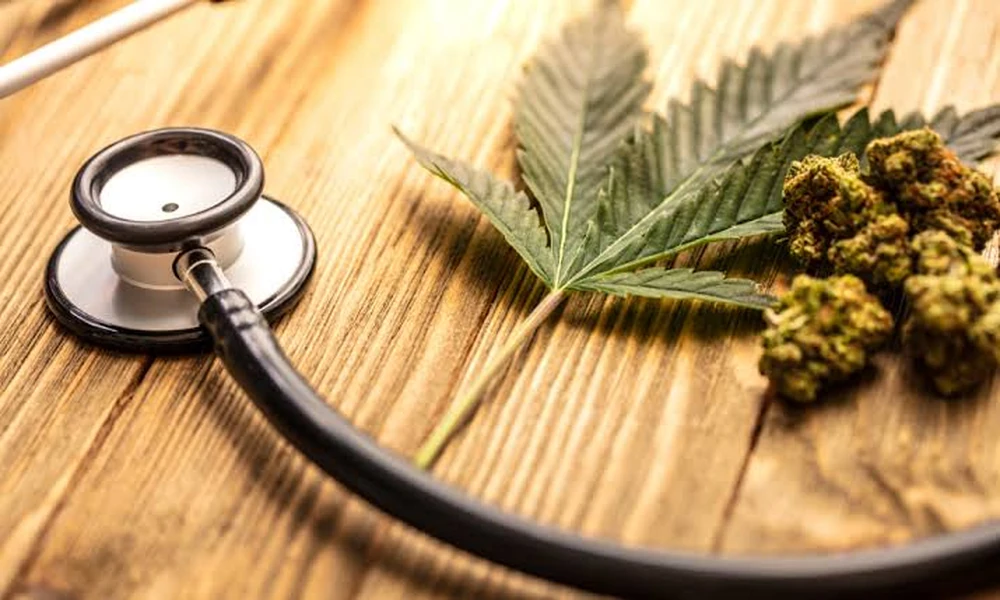
Medical cannabis cultivation depends on precise environmental control, clean handling, and consistent monitoring. Each stage influences plant health, cannabinoid production, and final product quality. For consumers exploring medical cannabis products in bangkok, understanding cultivation helps explain why lighting, water quality, and laboratory testing matter. From carefully selected genetics to controlled drying, every decision affects the finished material. Reliable production combines horticultural knowledge with documented procedures, creating a traceable process designed to support consistency and patient safety.
1. Selected Genetics Establish Production Consistency
Cultivation begins with verified seeds or healthy cuttings. Genetic traits influence plant structure, flowering time, and cannabinoid profiles. Reliable starting material reduces variation between harvests. Growers record cultivar identity and propagation details. This creates traceability from the first growth stage onward.
2. Lighting and Climate Shape Plant Development
In controlled rooms, sensors track temperature, humidity, and light exposure. Adjustable LED fixtures provide consistent illumination across the canopy. Ventilation removes excess heat and supports air exchange. Climate settings change with plant maturity, since seedlings and flowering specimens have different environmental needs.
Key controls include:
- Light intensity matches each growth stage.
- Fans maintain airflow across foliage.
- Humidity control limits fungal disease risks.
- Sensors flag unexpected environmental changes.
3. What Keeps Water and Nutrients Balanced?
Healthy roots require clean water, oxygen, and suitable nutrients. Cultivators monitor acidity and electrical conductivity during irrigation. These measurements help manage nutrient availability and salt accumulation. Excess watering can deprive roots of oxygen, while poor drainage encourages disease.
4. Hygiene Protects Each Cultivation Cycle
Clean facilities reduce contamination risks before harvesting begins. Staff sanitize tools, inspect plants, and manage entry procedures. Integrated pest management combines monitoring, physical barriers, and approved interventions. For medical cannabis products in bangkok, cultivation hygiene matters because visible plant health cannot confirm chemical or microbial purity.
5. Harvest Timing Determines Flower Quality
Harvest decisions consider maturity, cultivar characteristics, and intended production requirements. Trained staff inspect flowering structures before cutting. Harvested material moves into controlled drying spaces, where airflow and humidity require careful management. Excess moisture encourages mold; overly rapid drying can damage aroma and texture.
6. Documented Testing Builds Confidence
After drying, batches undergo inspection and appropriate laboratory testing. Checks may cover cannabinoid concentrations, microbial contamination, pesticide residues, and heavy metals. Packaging records connect results with individual production lots. A consistent appearance cannot replace analytical evidence, especially when products are intended for medical use.
Controlled Conditions, Measurable Results
A calibrated humidity sensor can reveal risks before mold becomes visible. That small operational detail illustrates a larger principle: dependable medical cannabis production relies on measurable evidence, not appearance alone. Environmental records, clean handling, and verified laboratory results turn cultivation into a traceable quality process.
FAQs
1. Does indoor cultivation guarantee better cannabis?
No. Indoor systems allow closer environmental control, but quality depends on genetics, hygiene, cultivation practices, and testing.
2. Why does humidity control matter?
Excess moisture encourages mold and fungal growth. Appropriate humidity management protects flowers during cultivation and drying.
3. Are cannabinoid levels identical across batches?
Not necessarily. Genetics and environmental conditions influence cannabinoid concentrations, making batch testing important.
4. Why are laboratory tests necessary?
Testing measures cannabinoid content and identifies specified contaminants. Results help verify product quality beyond visual inspection.
