

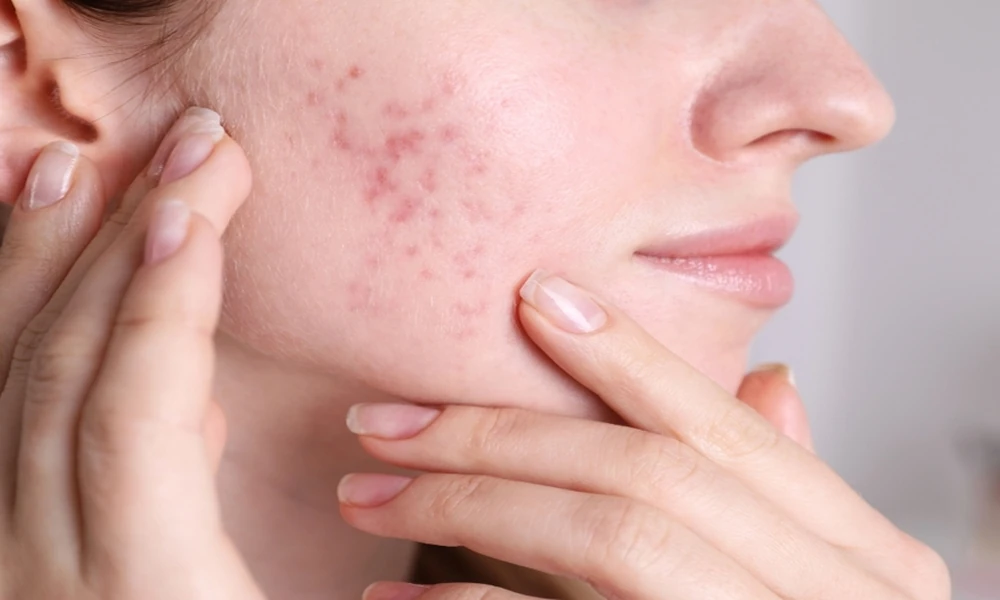
Acne scars can remain visible long after breakouts settle. Their uneven surface becomes clearer under angled light. For suitable cases, subcision scar treatment bangkok can address deeper scar attachments. The technique focuses beneath the visible depression rather than simply polishing its surface. That distinction matters because scar texture often reflects changes below the outer layer. A detailed assessment can reveal which approach suits each affected area.
Scar Texture Often Reflects Deeper Changes
Depressed marks may develop when firm tissue pulls skin downward. This creates a hollow that catches light differently. Surface creams cannot release those underlying attachments. Subcision works at a deeper level by separating restrictive bands. Once those strands loosen, the affected area gains greater freedom. Healing can then support gradual changes in overall texture.
Treatment Selection Starts With Scar Shape
Not every depression has the same structure or depth. Rolling marks can have softer edges and tethered bases. Other scars may have sharper borders or deeper pits. Because of those differences, one technique cannot suit every case. Careful examination helps identify the texture pattern first. That step keeps treatment focused instead of overly broad.
What Does A Skin Assessment Reveal?
A close examination gives useful clues before any procedure begins. Clinicians can study movement, depth, thickness, and surface contours. Those details help separate tethered depressions from other scar types. They also guide the areas requiring focused attention. Important observations can include:
- Scar movement can reveal underlying tethering.
- Depth may influence treatment positioning.
- Skin thickness can affect technique selection.
- Existing irritation deserves attention beforehand.
- Previous procedures can change tissue response.
With these points considered, planning becomes more precise.
Can Subcision Change Depressed Texture?
The technique targets fibrous connections beneath selected depressions. A fine instrument passes beneath the affected area. Controlled movement separates bands holding the surface downward. That release allows displaced skin to move more naturally. Healing then becomes an important part of visible change. For suitable patients considering subcision scar treatment bangkok, expectations should remain focused on gradual texture improvement.
Recovery Brings Its Own Considerations
Treated areas can show temporary swelling, tenderness, or bruising afterward. Such reactions can follow controlled work beneath the surface. Gentle care helps avoid unnecessary irritation during early healing. Protection also matters while sensitive tissue settles. Recovery differs according to treatment depth and individual skin response. Therefore, aftercare guidance should match each procedure.
Texture Changes Can Shift Treatment Thinking
Acne scarring involves more than visible surface roughness. Tethering, collagen changes, and uneven healing can influence appearance. Once those factors become clearer, treatment planning gains greater direction. The useful question becomes structural rather than cosmetic alone. A small hollow may need different attention from a broad depression. That distinction can shape a more measured care pathway.
Scar Structure Shapes The Next Step
A visible hollow may seem like a simple surface concern. Yet the deeper tether beneath it can explain its persistence. That small structural detail changes the treatment conversation. Instead of chasing smoothness alone, care can focus on releasing the restriction first. The result is a more informed path toward addressing uneven texture.
FAQs
Can subcision address every acne scar?
Subcision suits selected depressed scars linked with underlying fibrous attachments. Other scar patterns may require different approaches.
What happens during a skin assessment?
A clinician examines scar depth, movement, borders, and surrounding tissue. These observations help determine suitable treatment options.
How long can swelling remain after treatment?
Temporary swelling or bruising may follow the procedure. Recovery timing varies according to individual tissue response and treatment extent.
Could additional procedures become necessary later?
Further care may be considered after healing becomes clearer. Remaining texture and structural features guide that decision.
